
The Problem with Generic AI Content
In today’s digital landscape, AI-generated content has become ubiquitous, leading to a flood of generic, often repetitive material across the web. For developer marketing teams, this presents a unique challenge. Developers, known for their discerning nature and skepticism toward marketing, are particularly adept at spotting and dismissing content that lacks authenticity and originality. The traditional approach of using AI to generate content based on existing articles and documentation often results in material that fails to resonate with this audience, as it lacks the depth, nuance, and real-world insights that developers value.
The Four-Layer Architecture for Original Insights
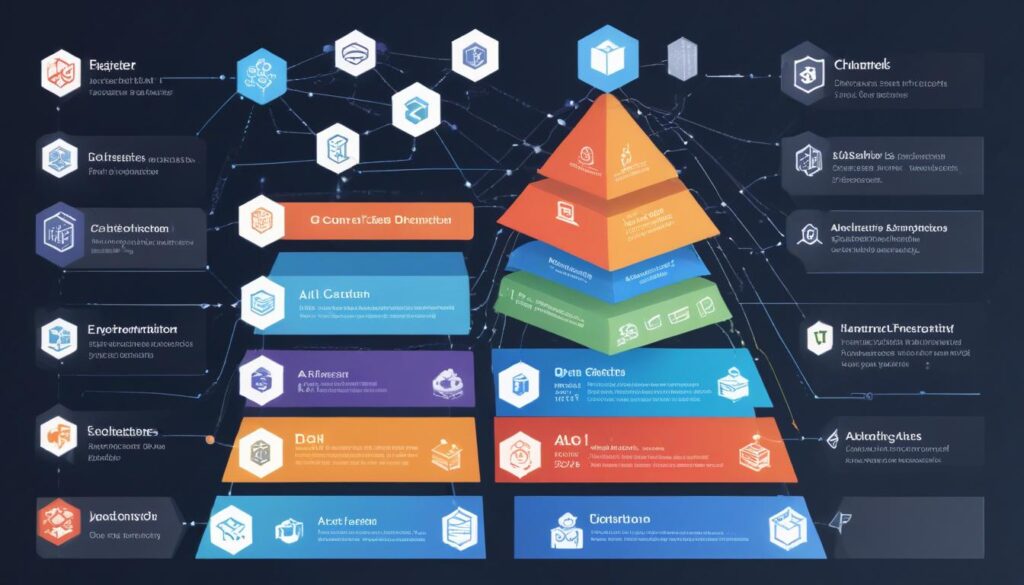
To create content that stands out and provides genuine value to developers, marketing teams need to adopt a more sophisticated approach. This involves building a four-layer architecture that leverages real developer conversations across various platforms to generate original insights. The first layer, Collection, involves gathering mentions and discussions from over 15 platforms, including Reddit, Hacker News, GitHub, and Stack Overflow. This raw data serves as the foundation for all subsequent content creation.
The second layer, Enrichment, focuses on categorizing these mentions based on their content potential. This involves analyzing the context, sentiment, and relevance of each mention to determine which topics are generating the most interest and discussion within the developer community. By understanding the themes and pain points that are currently resonating with developers, marketing teams can ensure that their content addresses real, timely issues.
The third layer, Generation, is where the magic happens. Using the enriched data as input, AI models can generate content that is deeply grounded in real developer conversations. This approach ensures that the content is not only relevant but also provides unique insights that cannot be found elsewhere. By basing content on actual developer discussions, marketing teams can create material that speaks directly to the needs and interests of their audience.
The final layer, Distribution, involves publishing the generated content across various channels and establishing feedback loops to continuously improve the system. This includes sharing content on social media, developer forums, and company blogs, as well as monitoring engagement metrics to understand which types of content resonate most with the audience. By iterating on this process, marketing teams can refine their approach and create a compounding competitive advantage.
Content Patterns for Developer Audiences
When creating content for developers, it’s essential to focus on formats that align with their preferences and behaviors. Community roundups, which curate and summarize the most interesting discussions from various platforms, are particularly effective. These roundups provide developers with a convenient way to stay informed about the latest trends and debates in their field without having to scour multiple sources themselves.
Data-backed comparisons are another powerful content type for developers. By analyzing real-world usage data and performance metrics, marketing teams can create objective, evidence-based comparisons between different tools, frameworks, or approaches. This type of content is highly valued by developers, who often make technical decisions based on empirical evidence rather than marketing claims.
Problem-solution stories are also effective in engaging developer audiences. These stories highlight common challenges faced by developers and present innovative solutions or workarounds. By framing content around real problems and providing actionable insights, marketing teams can demonstrate their understanding of the developer experience and establish credibility within the community.
Newsletters and social proof content round out the content strategy. Regular newsletters that curate the most important news, updates, and discussions in the developer world can help maintain ongoing engagement with the audience. Social proof content, which showcases how other developers are using and benefiting from a product or service, can be particularly persuasive in influencing adoption decisions.
Implementation Strategies and Tools
Implementing a content system that leverages real developer conversations requires a combination of APIs, automation tools, and data analysis techniques. Brand mention tracking APIs can be used to monitor discussions across various platforms, while natural language processing (NLP) tools can help categorize and analyze the collected data. AI models, such as GPT-3 or similar language models, can then be used to generate content based on the enriched data.
Automation tools, such as Zapier or custom scripts, can be employed to streamline the content creation and distribution process. These tools can automatically trigger content generation when new discussions or trends are detected, ensuring that the content remains timely and relevant. Additionally, analytics platforms can be used to track engagement metrics and provide insights into which types of content are most effective.
It’s important to note that while automation can significantly enhance the efficiency of the content creation process, human oversight and curation remain crucial. Developers are quick to spot content that feels inauthentic or overly automated, so it’s essential to maintain a human touch in the final output. This might involve having subject matter experts review and refine the generated content before publication.
Measuring Success and Continuous Improvement
To ensure the effectiveness of the content strategy, it’s crucial to establish clear metrics for success and continuously iterate on the approach. Key performance indicators (KPIs) might include engagement metrics such as click-through rates, time spent on page, and social shares, as well as more qualitative measures like sentiment analysis and community feedback.
By regularly analyzing these metrics, marketing teams can gain insights into which types of content are resonating most with their audience and adjust their strategy accordingly. This might involve experimenting with different content formats, topics, or distribution channels to optimize for maximum impact.
Additionally, it’s important to stay attuned to the evolving needs and interests of the developer community. This might involve conducting regular surveys, monitoring emerging trends, and maintaining an active presence in developer forums and communities. By staying connected to the pulse of the developer world, marketing teams can ensure that their content remains relevant and valuable over time.