
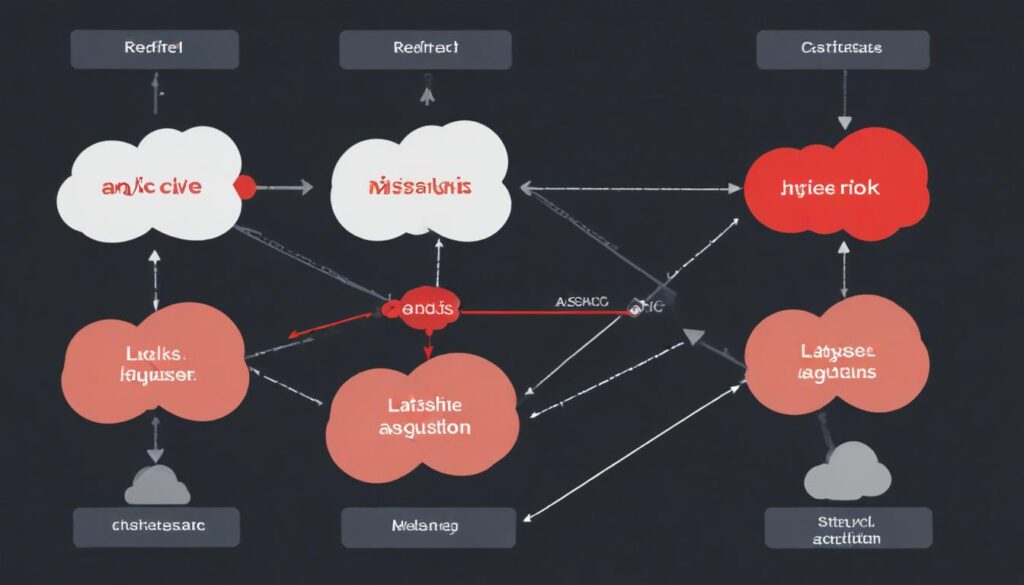
Cache stampedes occur when multiple requests simultaneously hit a cache miss, overwhelming the backend database. This article explores proven strategies to prevent such scenarios, ensuring optimal performance for high-traffic systems. Understanding the mechanics of cache stampedes is critical for developers aiming to maintain low latency and reduce database load in production environments.
- Implement TTL jitter to randomize cache expiration times and prevent synchronized cache misses.
- Use mutex/lock-based mechanisms to ensure only one request repopulates the cache during a stampede.
- Adopt request coalescing with async refresh to batch refill requests into a single database query.
- Leverage stale-while-revalidate patterns to serve stale data while refreshing in the background.
- Apply probabilistic early expiration to proactively invalidate cache entries before they expire.
Implementation Walkthroughs
Code snippets for Node.js, Go, and Python demonstrate how to integrate mitigation strategies. Tools like ioredis, go-redis, and redis-py are used to manage lock acquisition, back-off algorithms, and background refresh workers. These examples provide actionable templates for developers to adapt to their specific tech stacks.
Performance Benchmarking
Metrics such as requests per second, 95th-percentile latency, and database query counts are analyzed to compare mitigation techniques against a naive cache-aside setup. Tools like k6 or Locust simulate traffic to validate effectiveness, with real-world data illustrating significant reductions in latency and DB load.
Operational Best Practices
Key configurations include TTL selection, jitter ranges, and lock timeouts. Monitoring tools like Prometheus/Grafana track cache miss spikes, while alerting systems detect abnormal miss rates. These practices ensure proactive maintenance and scalability in dynamic environments.
Advanced Topics and Case Study
Explore hot-key sharding, Redis streams for event-driven invalidation, and hybrid caching architectures. A hypothetical e-commerce flash-sale scenario highlights how applied patterns can reduce database load by 70% and latency by 40%, offering a practical blueprint for high-stakes applications.
A checklist for authors includes crafting an engaging introduction, adding architecture diagrams, code blocks with comments, benchmark methodology details, monitoring integrations, and SEO-optimized keywords. This ensures the article meets both technical and readability standards.
The conclusion emphasizes next steps like adaptive TTL algorithms, multi-region cache setups, and links to Redis documentation. Further reading resources empower readers to deepen their knowledge and implement advanced strategies.